Choosing an eco-friendly air conditioning installation in Parramatta NSW helps reduce energy bills, lower greenhouse gas emissions, and improve indoor comfort. This guide explains practical, up-to-date considerations for homeowners, landlords and small businesses in Parramatta in 2025 — from selecting the right system and certified air con installers to complying with regulations, integrating renewable energy and maintaining efficient operation.
Why eco-friendly air conditioning matters in Parramatta
Parramatta experiences hot summers and humid periods that increase demand for cooling. An eco-conscious approach to air conditioning installation reduces peak electricity demand, helps meet NSW and national climate goals, and often produces faster cost recovery through lower running costs. Modern, efficient systems also reduce the likelihood of frequent air conditioning repair and deliver better indoor-air quality when installed correctly.
Key trends and regulations to know in 2025
When planning an eco-friendly installation, be aware of regulatory and technology trends affecting choices in 2025:
- Refrigerant phase-down: Australia continues the HFC phase-down in line with Kigali Amendment commitments. Low-GWP refrigerants like R32 and some new lower-GWP blends are standard for split systems; R410A is increasingly phased out for new residential installations. Licensing and refrigerant handling: Technicians must hold appropriate refrigerant handling licences and be registered with the Australian Refrigeration Council (ARC). Always confirm your air con installer provides evidence of current licences and ARC certification. Minimum energy performance: Check the Energy Rating label and compliance with Minimum Energy Performance Standards (MEPS). High star-rated systems and inverter technology deliver major efficiency benefits. Local council considerations: Parramatta City Council has planning and noise guidelines for outdoor unit placement. For apartments and strata properties, approvals or by-law checks may be required.
Types of eco-friendly air conditioning systems
Ducted reverse-cycle systems
Ducted systems with modern inverter compressors and zoned controls provide whole-home comfort with efficient operation when properly sized and duct-sealed. They are suited to larger homes but require good roof/underfloor insulation and careful ductwork design to be truly efficient.
Split-system inverter units
High-efficiency split systems using R32 or other low-GWP refrigerants are common for single rooms or open-plan spaces. Inverter technology modulates compressor speed to match cooling demand, reducing cycling losses and improving energy efficiency.
Multi-split and VRF/VRV systems
For multi-room or commercial applications, Variable Refrigerant Flow (VRF) systems offer precise control and high seasonal efficiency. They are more complex and require experienced installers for optimal performance.
Evaporative and hybrid systems
Evaporative cooling uses much less electricity but works best in low-humidity conditions. Hybrid systems that combine evaporative cooling with air conditioning can reduce load on the compressor in Parramatta’s drier months.
How to choose the right air con installer in Parramatta
Select a licensed, local technician with verifiable experience in eco-friendly installation. Use the following checklist when comparing air con installers:
Verify ARC refrigerant handling licence and NSW electrical/contractor licences. Ask for references and examples of recent eco-focused installations. Confirm they perform load calculations (not just rule-of-thumb sizing). Request a written quote that itemises equipment model, energy rating, refrigerant type and warranty terms. Ensure they provide a detailed installation plan for outdoor unit siting, noise mitigation, and duct or controller layout.Step-by-step: eco-friendly air conditioning installation process
Below is an actionable, practical flow you can expect when installing an eco-friendly system in Parramatta:
- Initial consultation and load assessment — A qualified air con installer performs a Manual J-style load calculation, considering orientation, glazing, insulation, occupancy and equipment heat gains. Correct sizing prevents over-cycling and inefficiency. System selection — Choose a system with a high Seasonal Energy Efficiency Ratio (SEER), inverter technology, a reputable brand, and a low-GWP refrigerant. Consider smart thermostats, zoning and connectivity for energy-optimised operation. Site checks and council/strata approvals — Confirm outdoor unit placement meets Parramatta City Council setback and noise requirements; obtain strata or building approvals if required. Installation and commissioning — A licensed installer fits the equipment, performs correct refrigerant charging, seals ductwork, tests controls, and commences commissioning tests including leak checks and performance verification. Documentation and handover — Obtain instalation reports, compliance certificates, refrigerant records, warranty documentation and an operational handover explaining energy-saving settings.
Site planning and positioning tips
Proper placement improves efficiency and minimizes disruptions:
- Locate outdoor units in shaded, well-ventilated areas to reduce heat soak and improve efficiency. Avoid placing units near bedrooms or neighbours without noise mitigation; check Parramatta Council's local noise limits and consider acoustic enclosures when necessary. For ducted systems, ensure short, insulated duct runs and professionally designed duct layouts to reduce losses. Position indoor units for balanced airflow; avoid air streams blowing directly onto occupants for comfort and performance.
Integrating renewable energy and smart controls
Eco-friendly installations increasingly pair with rooftop solar and smart controls to reduce grid dependence and operating costs:

- Solar PV integration: Pairing your air conditioning with rooftop solar and, where appropriate, a battery can shift cooling loads onto self-generated electricity during summer afternoons. Confirm inverter compatibility for hybrid or battery-ready systems. Smart thermostats & zoning: Program thermostats to optimise setpoints, use geofencing, and schedule cooling. Zoning reduces cooling unnecessary areas and improves comfort per kilowatt-hour. Demand management: Newer systems support demand response or time-of-use optimisation; discuss with your installer whether your system can participate in energy-saving programs or tariff-based scheduling.
Maintenance, service and repair best practices
Regular maintenance keeps systems efficient and reduces the need for air conditioning repair. Key maintenance tasks for Parramatta homes:
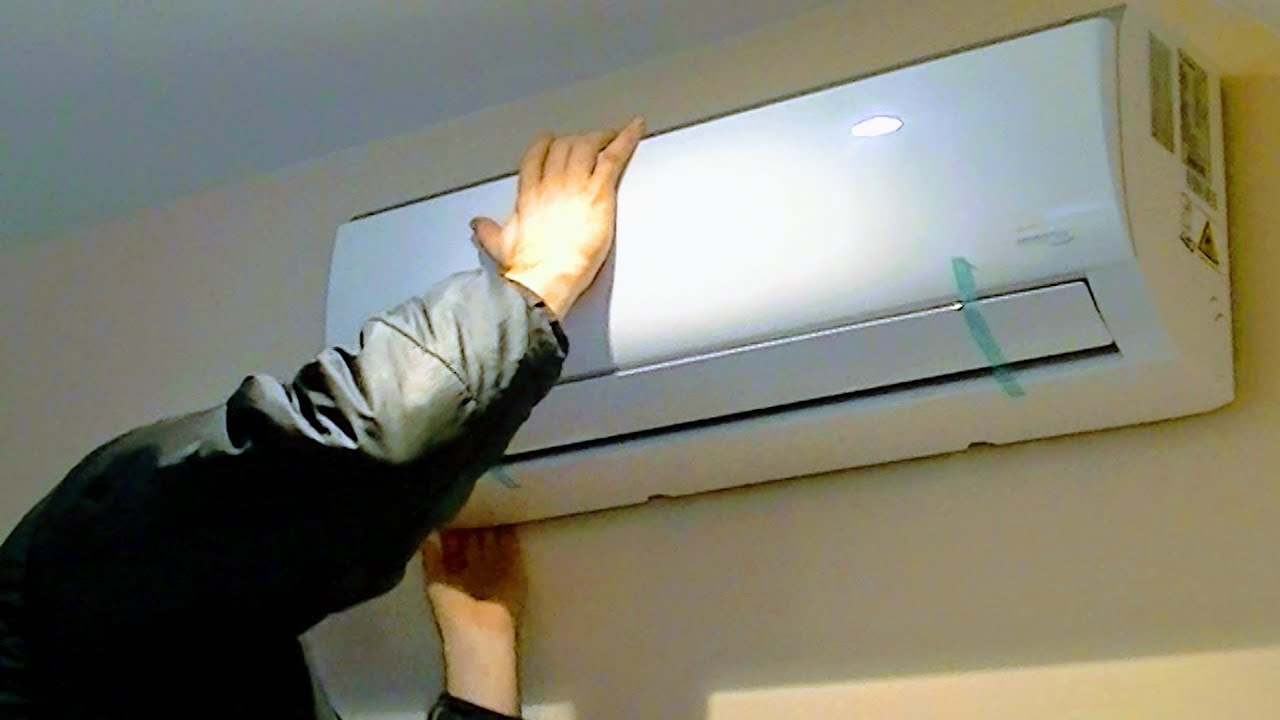
- Filter cleaning or replacement every 1–3 months depending on use and air quality. Annual professional service including refrigerant pressure checks, electrical inspections, coil cleaning and airflow measurement. Confirm the installer provides a service checklist and records. Timely repairs — Address unusual noises, reduced cooling, or cycling promptly to prevent compressor damage. Engage a licensed air conditioning repair technician for refrigerant, electrical or compressor work. Duct inspection — For ducted systems, inspect and reseal ducts every few years and ensure attic insulation is intact to reduce thermal loss.
Cost considerations and incentives
Installation costs vary by system type, capacity and complexity. When assessing value, consider lifecycle cost rather than just upfront price:
- Higher-efficiency units often cost more initially but deliver lower running costs and faster payback in Parramatta’s climate. Factor in installation quality — poor installation increases the likelihood of future air conditioning repair and reduces efficiency. Check for available federal or NSW rebates in 2025 for energy-efficient appliances or solar integration; incentives change, so ask your installer about current programs and eligibility.
Questions to ask your air con installer
Before committing, ask these practical questions:
- Can you provide proof of ARC refrigerant handling licence and NSW electrical/contractor licences? Will you perform a formal load calculation and provide the results? What refrigerant does the proposed unit use and what is its GWP? What is the expected SEER/seasonal performance and estimated annual running cost for my home? What warranty and post-installation service packages do you offer?
Preparing your home for installation
To ensure a smooth installation day:
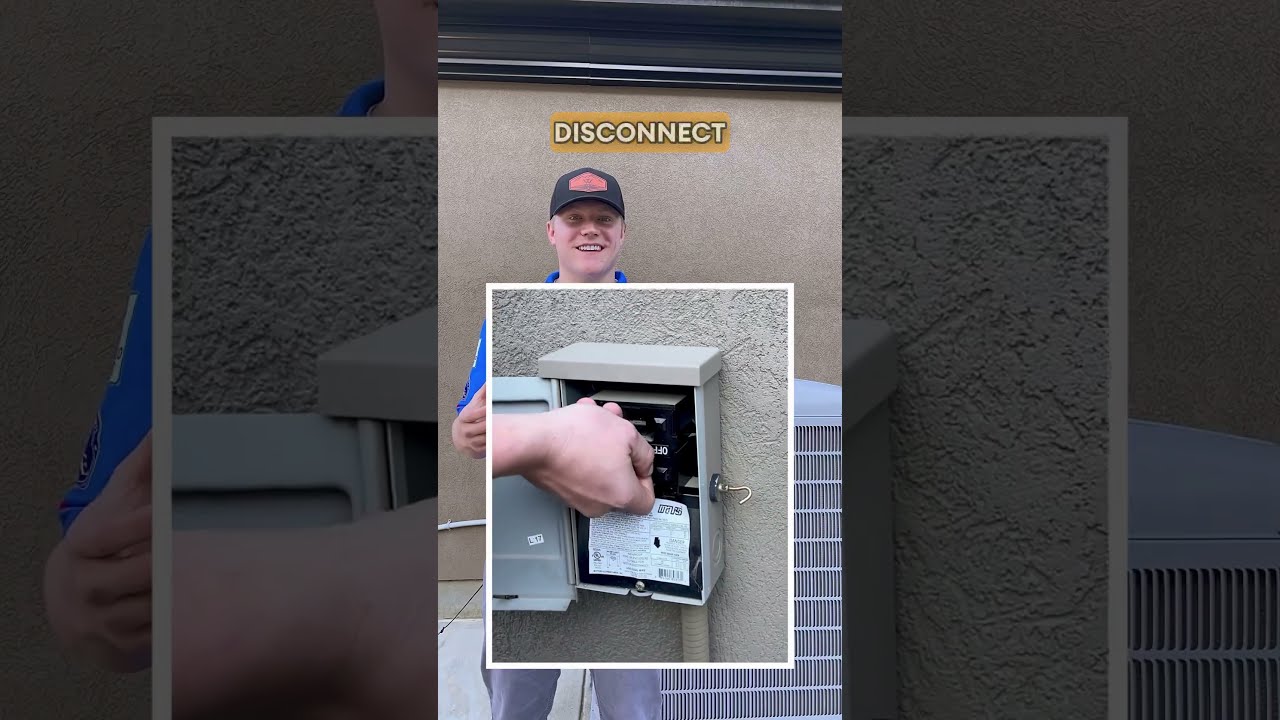
- Clear access to indoor and outdoor unit locations and ensure electrical switchboards are accessible. Remove obstacles from roof voids if ducted work is required and secure pets and children away from the work area. Confirm parking and access permissions for installers and any required council permits are in place.
Looking ahead: technology and regulation beyond 2025
From 2026 and beyond, expect tighter refrigerant regulations, wider adoption of lower-GWP refrigerants and greater smart grid integration. Battery storage and intelligent load control become more common for households aiming to cut grid demand during heatwaves. Staying informed and choosing an installer who adopts best-practice eco-solutions ensures long-term value.
Conclusion
Eco-friendly air conditioning installation in Parramatta NSW combines the right technology, licensed installers and good maintenance to deliver lower https://ameblo.jp/franciscouumz030/entry-12948807854.html running costs, reduced emissions and improved comfort. Prioritise properly sized equipment, low-GWP refrigerants, inverter systems, and professional commissioning. Verify licences, request detailed quotes and consider solar or smart controls to maximise sustainability and savings. Regular air conditioner maintenance and timely air conditioning repair by qualified technicians keep performance high for years to come.
For a personalised assessment, contact licensed local air con installers in Parramatta to arrange a home energy and load assessment and receive tailored recommendations.