Why pre-summer air conditioning checks matter in Parramatta NSW
Parramatta's summers are reliably hot and humid, and an air conditioner that fails during a heatwave is more than inconvenient — it can create health and safety risks for vulnerable household members. Preparing your system before temperatures rise reduces the likelihood of breakdowns, improves energy efficiency, and extends the service life of the equipment. Performing a systematic air conditioning repair checklist in spring ensures your unit delivers reliable cooling when you need it most.
When to schedule professional service
Some maintenance tasks are straightforward DIY jobs, but many important checks require a qualified technician. Book a licensed air con installer or an authorised service technician for an air conditioning service at least 4–6 weeks before the first expected heatwave. Peak demand for technicians in Parramatta spikes in late spring, so early booking helps you avoid delays. Make sure the technician holds appropriate refrigerant-handling certification as required by NSW regulations.
Comprehensive pre-summer repair checklist (step-by-step)
Visual inspection of indoor and outdoor unitsLook for obvious signs of damage: bent or blocked fins on the outdoor condenser, rust, water pooling around the indoor unit, loose panels, or pest nests. Remove debris, leaves, and vegetation around the outdoor unit to maintain airflow.
Filter cleaning or replacementClogged filters reduce airflow and efficiency and can foster mould growth in humid weather. Wash reusable filters or replace disposable filters according to manufacturer guidelines — typically every 1–3 months during heavy use. Note filter type when scheduling a service to ensure the correct replacements are available.
Check refrigerant levels and system pressuresLow refrigerant often indicates a leak and reduces capacity. Only licensed technicians should handle refrigerant. The technician measures pressures, checks for leaks, and carries out repairs per the appliance manufacturer and NSW environmental rules for refrigerant handling and disposal.
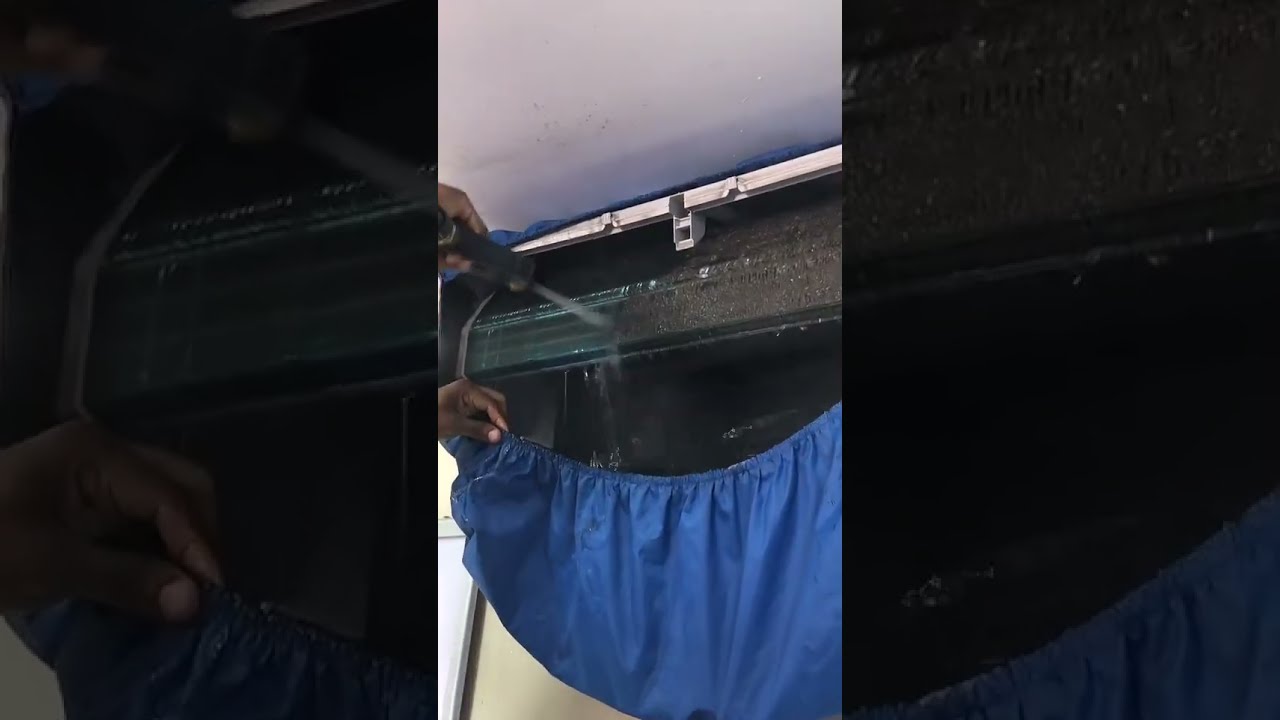
Inspect and clean evaporator and condenser coilsDirty coils impair heat transfer and force the compressor to work harder. A technician can clean coils safely and check for corrosion or damage that could cause future failure.

Blocked condensate drains cause indoor water leaks and can trigger microbial growth. Flush the drain line or have your technician perform a safe-clean treatment to ensure free flow.
Examine electrical connections and controlsTighten loose electrical terminals, inspect capacitor and contactor condition, and test safety switches. Faulty electrical parts are a common cause of mid-summer system failure and present fire risks.
Test thermostat and controlsVerify the thermostat is accurate and responsive. Consider upgrading to a smart or Wi-Fi thermostat if your system is older — modern controls improve comfort and energy savings.
Measure airflow and inspect ductworkCheck supply and return vents for blockages and measure airflow if available. Seal visible duct leaks and insulate ducts in hot or unconditioned spaces to avoid cooling loss.
Evaluate compressor and fan motor operationListen for unusual noises and monitor startup behaviour. Early detection of bearing wear or failing motors prevents costly compressor failures.
Confirm system sizing and settingsFor homes that have had renovations or added living spaces, reconfirm that the installed system capacity and zoning remain appropriate for current loads. Incorrect sizing results in short-cycling or poor humidity control.
Document findings and get a written quote for repairsAfter inspection, ask your technician for a clear, itemised quote for any recommended repairs or parts replacement and an estimate of expected energy savings and lifecycle benefits.
Simple DIY checks you can do before calling a technician
- Turn the system on and note any unusual sounds, smells, or error codes on the display. Check and clean filters and the area around both indoor and outdoor units. Ensure vents and grilles are fully open and unobstructed by furniture or curtains. Reset breakers if the system won’t start, but do not repeatedly reset — if trips persist, call a technician.
Choosing the right Parramatta air con installer
When selecting an air con installer or repair service in Parramatta NSW, consider the following:
- Valid NSW licensing and refrigerant-handling certification. Positive local reviews and examples of similar installations in the Parramatta area. Clear warranty terms for parts and labour. Availability for emergency service during summer peaks.
Request multiple quotes, check that quotes itemise parts and labour, and ask about the https://travisljnz443.timeforchangecounselling.com/air-conditioning-repair-vs-replacement-which-is-right projected energy savings of any upgrades such as inverter-driven systems or higher star-rated units.
Common faults to expect and how they’re resolved
Technicians in Parramatta frequently repair these summer problems:
- Refrigerant leaks: Locate and repair the leak, evacuate and recharge the correct refrigerant type per regulations. Compressor failure: Diagnose cause (electrical or mechanical) and replace only if repair is uneconomical. Blocked condensate drains: Clear and disinfect drains; install safety overflow switches if recurring. Capacitor or contactor faults: Replace worn electrical components to restore reliable cycling. Sensor or thermostat errors: Recalibrate or replace sensors and consider smart control upgrades for improved performance.
Energy efficiency tips and cost considerations
Regular air conditioner maintenance reduces running costs. In 2025, the market shift toward high-efficiency inverter systems and lower-GWP refrigerants continues. Upgrading to a modern inverter split system can cut electricity use and improve humidity control — typically recouping investment over several years depending on use patterns.

Approximate cost considerations in Parramatta (2025): basic pre-season service and safety check typically ranges from a modest service fee to a few hundred dollars depending on system type and number of indoor units. Major repairs (compressor replacement, refrigerant leak repair) vary widely; obtain written estimates and warranty details before proceeding. Ask your technician about available NSW rebates or energy-assessment programs that may apply to high-efficiency upgrades.
Preparing for emergencies during heatwaves
Have a contingency plan if your air conditioner fails in a heatwave: identify local cooling centres, portable cooling hire options, or short-term evacuation plans for vulnerable household members. Keep your technician’s contact details handy and consider an annual service contract for priority response during peak times.
Regulatory and environmental considerations in 2025
By 2025, Australia continues to phase down high-GWP refrigerants and promote more efficient heat-pump technologies. When undertaking repairs, insist on compliance with NSW requirements for safe refrigerant handling and disposal. Reputable technicians will advise on the most environmentally responsible repair or replacement options and document refrigerant transactions as required by law.
Final checklist before you finish
Book an air conditioning service 4–6 weeks before summer. Clean or replace filters and clear debris around units. Ensure a licensed technician checks refrigerant, electricals, coils, and drainage. Obtain a written report and quote for any repairs, and confirm warranties. Consider efficiency upgrades (inverter systems, smart thermostats) if your unit is older than 10–12 years.Conclusion
Taking a proactive approach to air conditioner maintenance and repair in Parramatta NSW prevents costly failures, maintains indoor comfort, and reduces energy bills. Use this checklist to prioritise tasks and engage a qualified air con installer or service technician early in the season. Regular care and timely repairs keep your system running reliably throughout Parramatta’s hot summer months.